How Data Analytics Shape Customized Experiences in Multi-Format Wagering Ecosystems
Written by Elena Lehmann · Jun 15, 2026
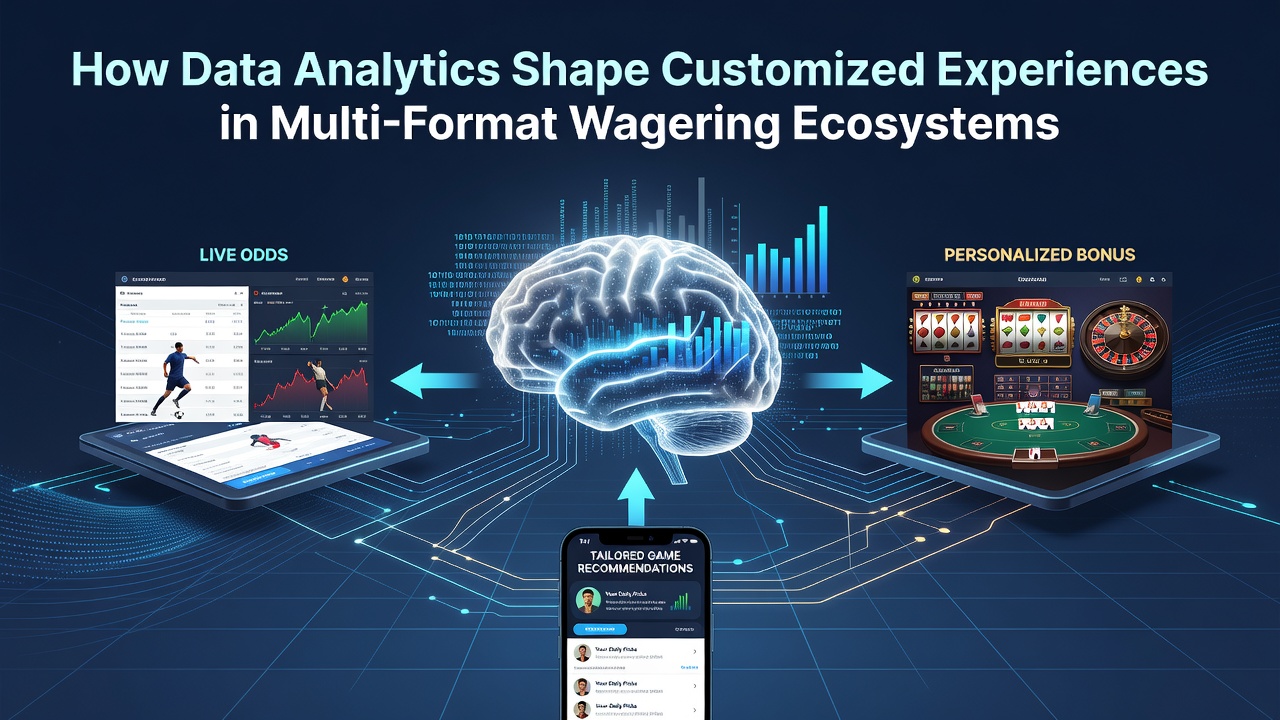
How Data Analytics Shape Customized Experiences in Multi-Format Wagering Ecosystems
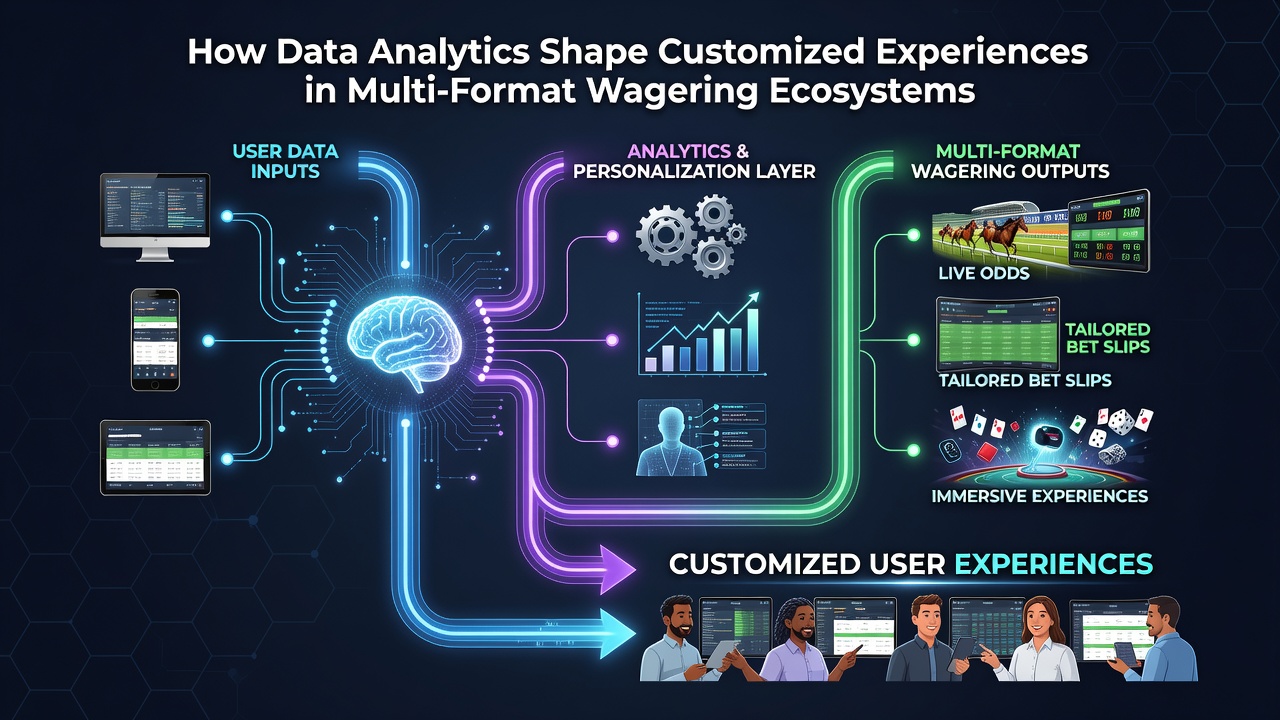
Multi-format wagering ecosystems combine slots, live dealer tables, and sports betting into unified platforms where data analytics drive personalization at every step, and operators collect behavioral signals from reel spins, table decisions, and event wagers to refine offerings without requiring separate logins or fragmented profiles.
Systems track metrics such as session duration, bet sizing patterns, game type preferences, and response times to promotions, while machine learning models process these inputs to generate recommendations that adjust in real time as users move between formats.
Data Collection Across Formats
Slot activity generates high-volume data points including spin frequency, volatility tolerance, and bonus feature engagement, whereas live dealer streams contribute observations on table selection, hand pace, and interaction with dealers or chat features, and sportsbooks add layers from pre-match analysis, in-play adjustments, and parlay construction.
Unified profiles merge these streams so that a player who favors high-volatility slots in the morning might receive tailored table game suggestions during evening sessions, and the same profile can trigger sports bet prompts based on historical event categories or stake levels observed earlier in the week.
Personalization Mechanisms in Practice
Algorithms segment users into dynamic cohorts that update continuously, allowing platforms to deliver customized bonus structures such as free spins aligned with preferred reel mechanics or enhanced odds on specific sports markets, and these adjustments draw from historical performance data rather than static rules.
One operator in a regulated North American market applied clustering techniques to identify cross-format users who shift from slots to live blackjack after certain loss thresholds, then deployed targeted reload offers that increased retention rates across the combined ecosystem.
Integration with Mobile and Payment Flows
Mobile applications serve as primary access points where location data, device usage patterns, and payment method selections feed into the same analytic models, enabling seamless transitions such as converting slot winnings directly into live table buy-ins or sports bet stakes without manual account reconciliation.
Payment velocity and preferred funding sources further inform customization, so frequent users of instant transfer methods might encounter expedited withdrawal options or loyalty multipliers tied to multi-format activity, and these features rely on aggregated transaction histories rather than individual session data alone.
Regulatory Context and June 2026 Developments
Jurisdictions maintain oversight through reporting requirements that mandate transparency in how analytic outputs influence player experiences, and as of June 2026 several North American and European regulators updated guidelines to require disclosure of personalization criteria when those criteria affect bonus eligibility or game recommendations.
According to figures released by the Alcohol and Gaming Commission of Ontario, integrated platforms reported measurable increases in session continuity when cross-format analytics were applied under strict data governance standards.
Technical Infrastructure Supporting Customization
Real-time data pipelines connect disparate game servers to central analytic engines that apply predictive models for churn risk, lifetime value estimation, and next-best-action suggestions, while cloud-based processing handles the scale required to update profiles across millions of concurrent sessions.
Privacy-preserving techniques such as federated learning allow operators to refine models without centralizing every raw data point, satisfying both commercial goals and regional data protection mandates that vary by market.
Industry Examples and Measurement
Research compiled by the American Gaming Association indicates that platforms employing multi-format analytics achieved higher average revenue per user when personalization extended across slots, tables, and sports products compared with siloed approaches.
Case studies from operators in Michigan adn Pennsylvania demonstrate that users exposed to analytics-driven prompts linking slot play to live dealer promotions showed elevated cross-format participation rates within controlled testing periods.
Conclusion
Data analytics continue to reshape how wagering platforms deliver experiences that span multiple formats, with integration of slot, live dealer, and sports betting data enabling coherent personalization while regulatory frameworks evolve to address transparency and player protection requirements.