How Demographic Trends Influence Cross-Format Engagement Patterns in Regulated Digital Leisure Markets
Written by Elena Lehmann · Jul 6, 2026
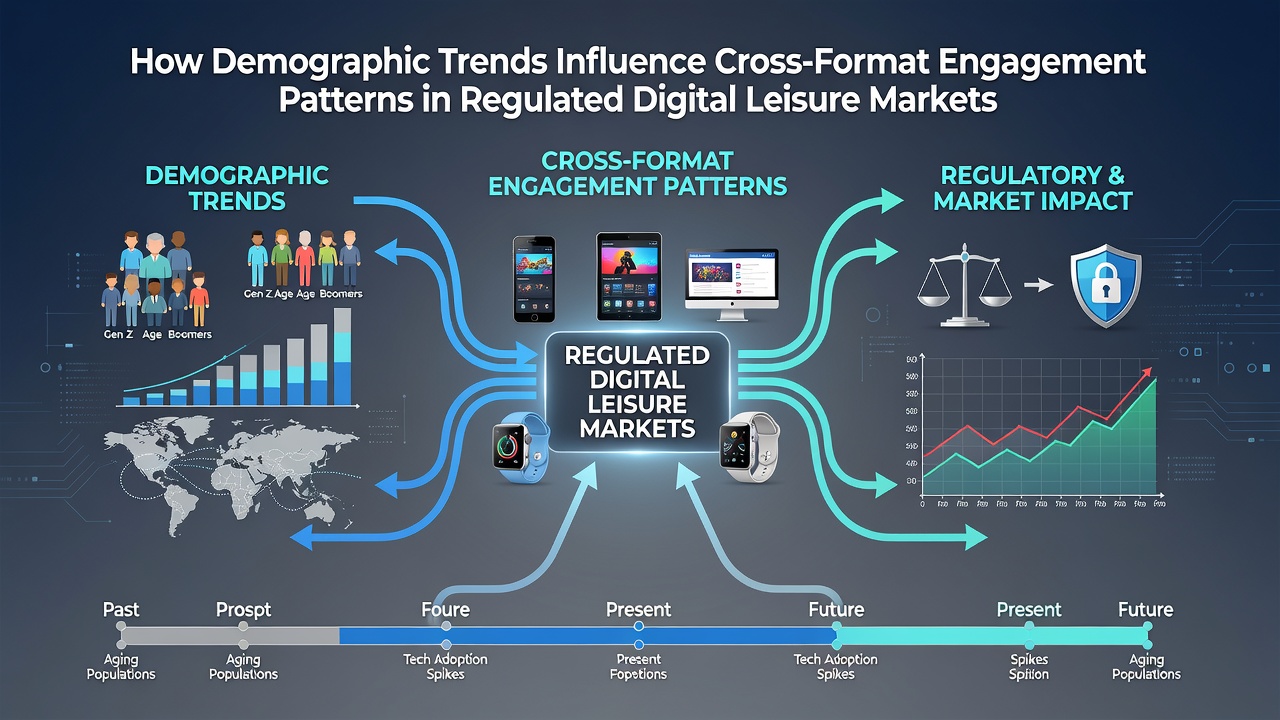
How Demographic Trends Influence Cross-Format Engagement Patterns in Regulated Digital Leisure Markets
Regulated digital leisure markets continue to evolve as demographic shifts reshape how participants move between slots, live dealer tables, and sports betting interfaces on mobile platforms, and data collected through July 2026 highlights clear patterns tied to age cohorts, geographic distribution, and income levels that drive these transitions.
Younger adults between 21 and 35 show higher rates of cross-format movement according to aggregated platform metrics released in mid-2026, with many starting sessions on slot mechanics before switching to live dealer streams or event wagers within the same hour, while older cohorts tend to maintain longer stays within single formats once they begin.
Age Cohorts Drive Distinct Transition Behaviors
Participants aged 18 to 34 demonstrate fluid navigation across formats because mobile interfaces support quick switches, and studies from the University of Nevada, Las Vegas Gaming Research Center indicate this group accounts for over 60 percent of multi-format sessions in regulated U.S. jurisdictions during the first half of 2026. In contrast, users over 50 exhibit steadier engagement with one category per session, often favoring live dealer experiences without immediate migration to slots or sportsbooks, which aligns with platform data showing lower bounce rates between verticals for this segment.
These age-based differences appear in multiple markets simultaneously, and operators note that push notifications timed to demographic profiles increase retention when they match observed transition habits rather than generic prompts.
Gender Distributions Shape Format Sequences
Women represent a growing share of cross-format users in regulated environments, with figures from the Australian Communications and Media Authority revealing a 22 percent rise in female participation across integrated slot-to-sportsbook pathways between 2024 and 2026. Men continue to lead in volume of sports betting entries yet increasingly incorporate live dealer sessions mid-sequence, creating hybrid patterns that blend prediction markets with interactive table simulations.
Platform analytics further reveal that gender-neutral reward structures, such as unified loyalty points earned across formats, encourage broader exploration regardless of starting vertical, and this approach has gained traction in Canadian provinces where single-account systems track cumulative activity.
Regional and Urban Factors Alter Engagement Flows
Urban populations in North America and Europe display faster adoption of seamless format switching because high-speed networks support uninterrupted transitions, whereas rural users show more segmented usage tied to connectivity constraints. According to reports issued by teh European Gaming and Betting Association, metropolitan areas recorded 35 percent higher cross-format session counts in the opening months of 2026 compared with less densely populated regions.
Regulatory frameworks in places like New Jersey and Ontario facilitate these patterns through unified player profiles, allowing participants to carry balances and preferences between reel mechanics, dealer-hosted games, and athletic wagers without separate logins, and this infrastructure supports the demographic trends already underway.
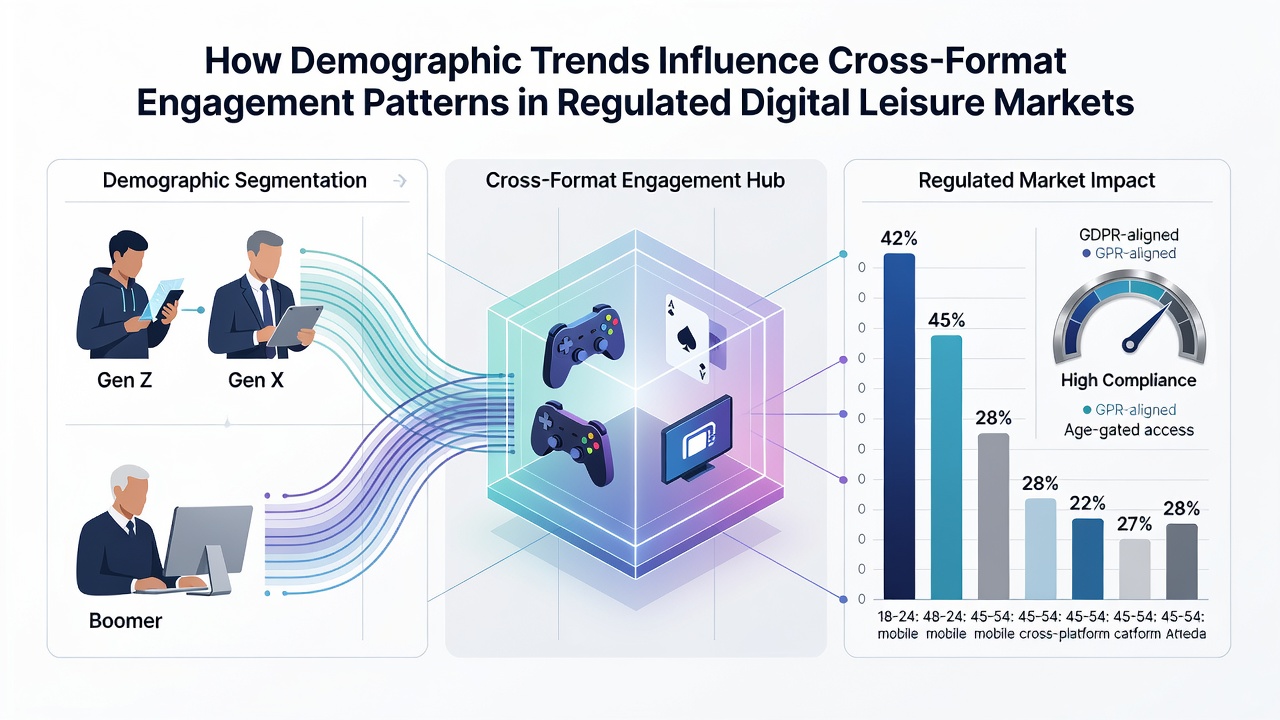
Income brackets also correlate with format preferences, as higher-earning groups allocate time across premium live dealer options and high-limit sports markets, while mid-range earners concentrate activity on accessible slot titles before occasional sports entries.
Income Levels and Device Access Influence Patterns
Households earning above median levels engage more frequently with multi-format ecosystems because they maintain multiple active sessions across devices, and data compiled by the National Council on Problem Gambling in the United States shows this segment contributes disproportionately to total handle in integrated environments through July 2026. Lower-income participants exhibit more deliberate sequencing, often completing one format before entering another to manage session budgets within regulatory deposit limits.
Device ownership plays a supporting role here, with smartphone penetration rates above 85 percent in most regulated markets enabling the technical backbone for these demographic-driven movements, yet tablet usage remains higher among older users who prefer stationary play within a single vertical.
Technological and Policy Adaptations Support Observed Trends
Operators respond to these demographic signals by refining interface designs that anticipate common transition paths, such as placing sports betting tiles near live dealer lobbies for younger cohorts while preserving dedicated navigation for older groups. Policy updates in several jurisdictions during 2025 and early 2026 emphasize responsible gaming tools that scale with cross-format activity, including real-time spending trackers that follow users across verticals without interrupting flow.
Market observers note that these adaptations align with broader population changes, including urbanization and shifting workforce patterns that free up evening hours for leisure across multiple formats, and continued monitoring through late 2026 will clarify whether current trends stabilize or accelerate further.
Conclusion
Demographic variables including age, gender, location, and income continue to map onto measurable differences in how users traverse regulated digital leisure formats, and platform data through July 2026 confirms these influences operate consistently across jurisdictions with unified account systems. Operators and regulators alike track these patterns to maintain compliant environments that accommodate observed behaviors while supporting responsible participation across slots, live dealer, and sports betting activities.