How Electronic Transfers Enable Fluid Shifts Between Reel Spins, Dealer Tables, and Event Wagers on Portable Devices
Written by Harper Keller · Jun 1, 2026
How Electronic Transfers Enable Fluid Shifts Between Reel Spins, Dealer Tables, and Event Wagers on Portable Devices
Electronic transfers form the backbone of modern mobile gaming platforms where users move funds instantly across slot machines, live dealer sessions, and sports or event betting markets without exiting the application, and data from regulatory filings shows these systems process millions of micro-transactions daily across integrated ecosystems.
Core Mechanisms Driving Seamless Movement
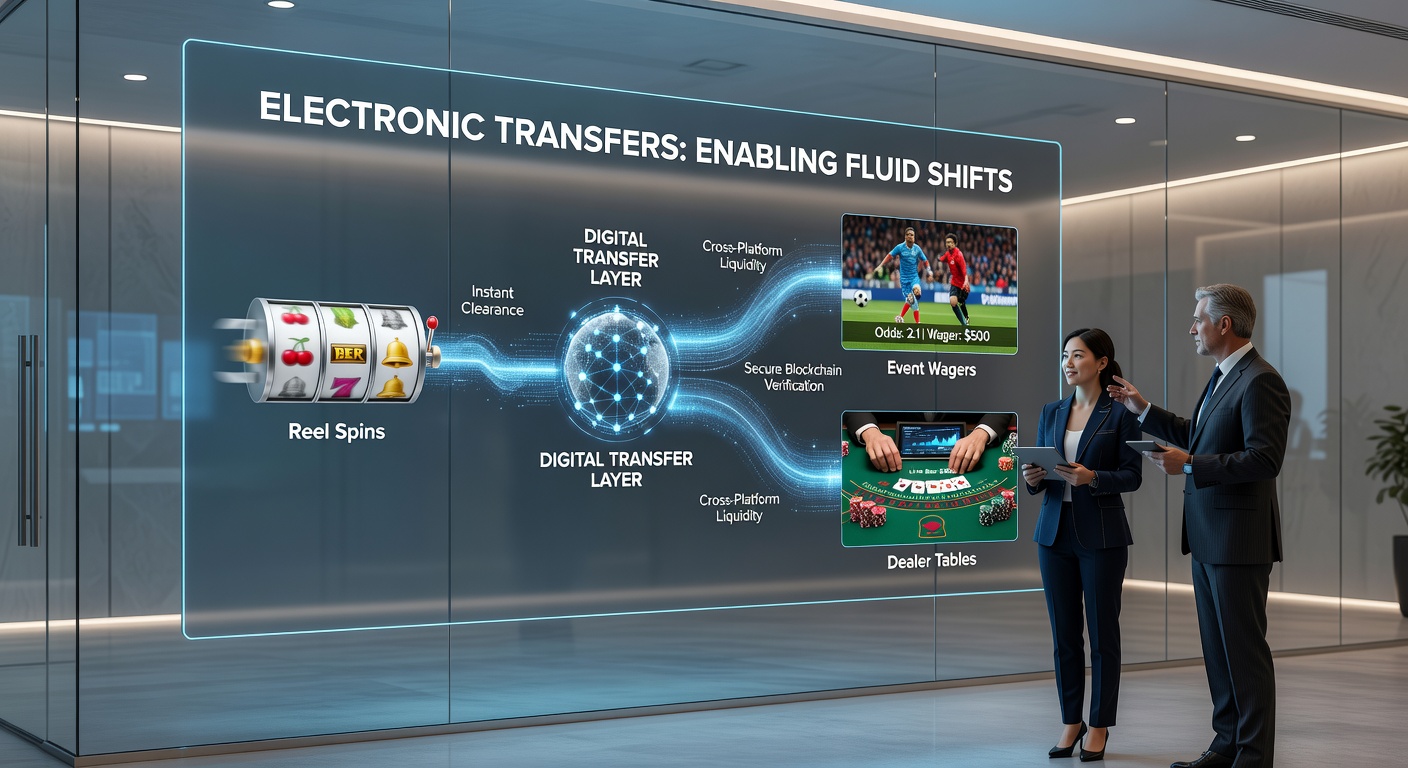
Application programming interfaces connect digital wallets directly to gaming servers so that a player who finishes a reel spin can allocate remaining credits to a blackjack table or a live sports wager in the same session, while encryption protocols maintain security during each shift and banking partners settle balances in real time rather than through delayed batch processing. Observers note that single sign-on profiles store user balances in centralized ledgers updated across verticals, which eliminates the need to withdraw and redeposit when switching from video slots to dealer-streamed games or from in-play event wagers back to progressive jackpot reels.
Integration Across Game Categories
Slot systems rely on random number generators that accept instant credit pushes from electronic wallets, allowing spins to continue uninterrupted even as funds arrive from a completed sports bet or a settled table hand, and live dealer platforms stream video feeds while simultaneously accepting wagers funded through the same transfer rails that handle slot play. Event wagering modules pull odds feeds and permit parlay construction funded by balances that originated in either reels or tables, with settlement occurring automatically once outcomes finalize so the proceeds become available for the next activity without manual intervention.
Portable Device Architecture
Mobile operating systems support background processes that keep payment channels open during gameplay transitions, which means a user can rotate from a portrait-mode slot interface to a landscape live table view and then to a sportsbook dashboard while the underlying electronic transfer layer maintains session continuity, and device sensors such as touch gestures trigger balance checks that confirm sufficient funds before each new wager type activates. Network optimization techniques prioritize low-latency connections for payment confirmations, ensuring that shifts between game modes occur within milliseconds rather than requiring separate app launches or external browser redirects.
What's interesting is that cross-vertical bonus tracking systems record activity across all three categories under unified loyalty ledgers, so electronic transfers not only move principal amounts but also carry associated promotional credits that remain valid whether applied to reel spins, dealer decisions, or event propositions.
Regulatory and Infrastructure Context in Mid-2026
By June 2026 several North American and European jurisdictions had updated technical standards requiring operators to demonstrate real-time reconciliation across gaming verticals, and figures from the New Jersey Division of Gaming Enforcement indicate that mobile platforms accounted for over 80 percent of total handle in multi-vertical environments during the first half of that year. Industry reports compiled by the European Gaming and Betting Association highlight similar patterns where electronic transfer volumes between slots, tables, and sports products grew steadily as operators adopted common wallet frameworks compliant with updated data protection rules.
One study conducted by researchers at the University of Nevada, Las Vegas tracked transaction logs from licensed operators and found that the average user executed at least four vertical switches per session when electronic transfers operated without friction, whereas sessions relying on manual withdrawals showed markedly fewer transitions and lower overall engagement time.
Case Examples from Licensed Markets
Take one operator licensed in Ontario that implemented a unified wallet in early 2026; transaction data released through the Alcohol and Gaming Commission of Ontario revealed that players who moved credits between slot reels and live dealer tables via the integrated system increased their average session length by measurable margins compared with earlier segmented wallet models. Another example involves a platform serving multiple Australian states where electronic transfers link local sports event wagers directly to international slot content, and records from state regulators show that settlement times dropped below two seconds for the majority of cross-product movements after the system upgrade.
But here's the thing: security layers such as tokenization replace actual account details during each transfer, which reduces exposure while still allowing the same balance to fund a high-limit table game or a live in-game sports bet without re-authentication at every step.
Conclusion
Electronic transfers therefore serve as the connective tissue that lets mobile users navigate freely among reel spins, dealer tables, and event wagers within a single application environment, supported by regulatory frameworks, technical standards, and infrastructure improvements documented through 2026 across multiple jurisdictions. The result is a continuous play experience where balance movements happen automatically and securely, enabling sustained participation across diverse gaming formats on portable devices.