How Licensing Variations Across Smaller Markets Shape the Integration of Progressive Reel Features with Live Table Simulations and Regional Betting Exchanges
Written by Harper Keller · Jun 5, 2026
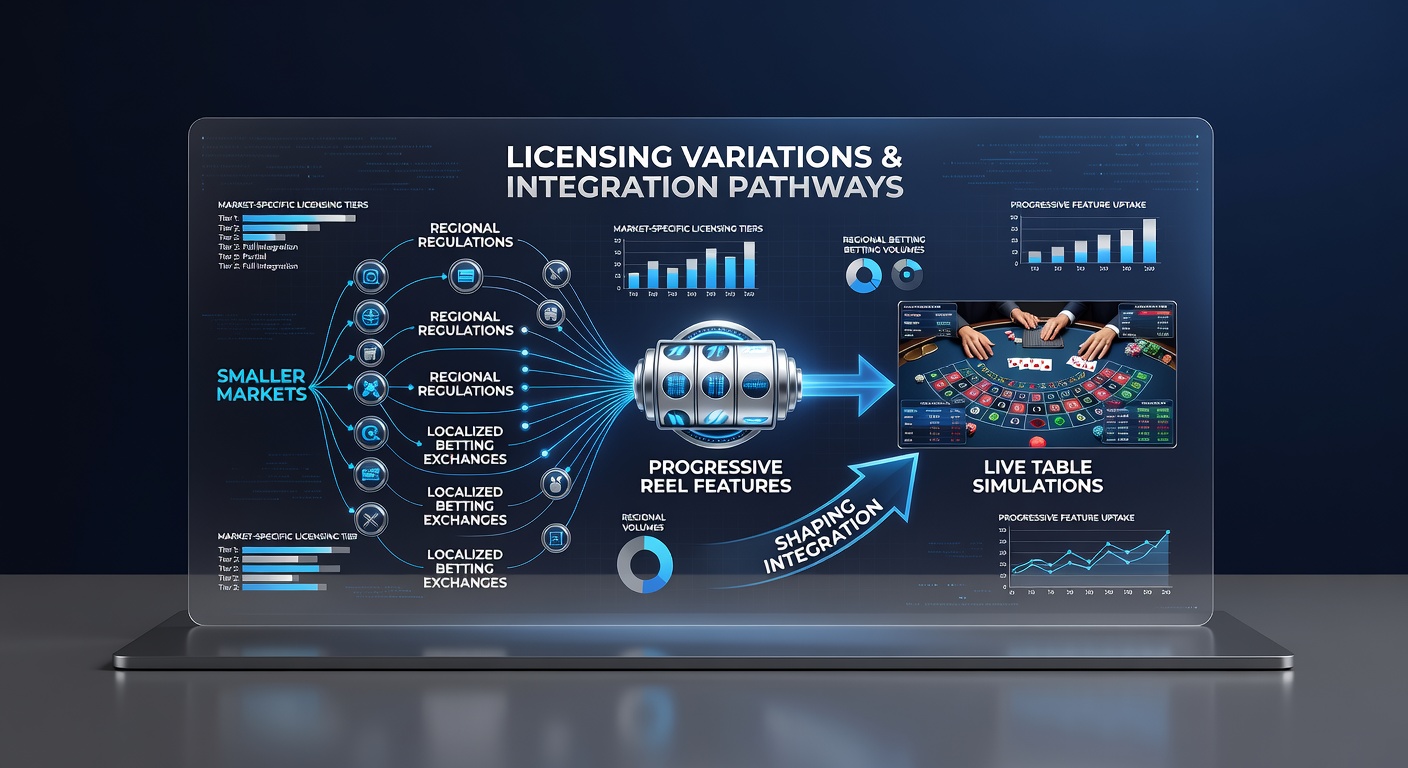
How Licensing Variations Across Smaller Markets Shape the Integration of Progressive Reel Features with Live Table Simulations and Regional Betting Exchanges
Licensing frameworks in smaller markets create distinct pathways for operators seeking to combine progressive reel mechanics with simulated live dealer environments and localized betting exchanges, and these frameworks often require separate approvals for each component rather than unified product certifications. Data from regional regulators shows that jurisdictions with populations under 10 million frequently segment licenses into categories for random number generator based games, real time table simulations, and exchange style wagering pools.
Regulatory Segmentation in Emerging Jurisdictions
Smaller markets such as certain Canadian provinces and Australian states maintain distinct licensing streams that separate slot style progressives from table simulations, which forces operators to secure multiple endorsements before offering hybrid experiences. According to reports from the New Jersey Division of Gaming Enforcement, platforms must demonstrate independent compliance testing for progressive jackpot pools even when those pools feed into simulated dealer sessions, and this requirement extends to regional exchanges where player liquidity pools operate under peer to peer rules.
Observers note that this segmentation produces staggered rollout timelines because each license category undergoes its own audit cycle, and audits typically cover RNG certification, stream latency standards, and anti money laundering protocols specific to exchange transactions. In June 2026 several smaller European markets released updated guidelines that clarified how progressive contributions transfer across license boundaries without triggering additional tax assessments on pooled funds.
Technical Integration Challenges
Progressive reel features rely on shared jackpot meters that accumulate across multiple titles, yet live table simulations introduce real time elements such as dealer interactions and side bet options that must align with exchange mechanics for seamless player transitions. Licensing variations require that these meters remain isolated from exchange liquidity until cross license agreements receive explicit approval, which creates technical hurdles around data synchronization and player balance management.
Research from the University of Nevada's International Gaming Institute indicates that operators in markets with fragmented licensing experience 30 percent longer development cycles when linking progressive systems to simulated tables, primarily because each regulatory body demands separate stress testing for server loads during peak exchange activity. Those who've studied these integrations observe that smaller markets often lack standardized APIs for live simulation feeds, forcing custom builds that satisfy individual license conditions.
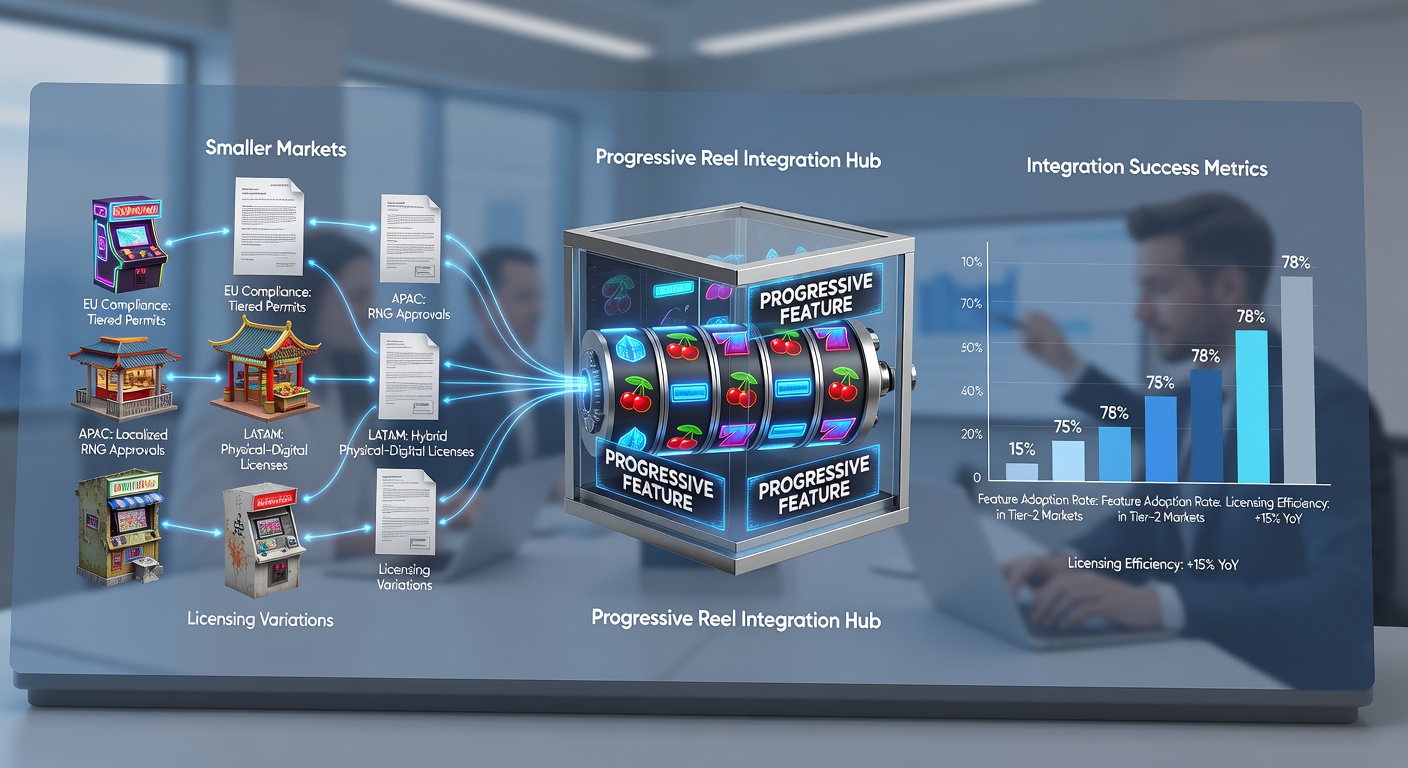
Regional Betting Exchange Adaptations
Betting exchanges in smaller markets operate under rules that emphasize player to player matching rather than house backed odds, and this model intersects with progressive reels and table simulations through bonus contribution mechanisms that must respect license specific contribution caps. Figures from the Australian Communications and Media Authority reveal that exchange operators in states like Victoria allocate dedicated compliance teams to monitor how reel progressives fund table side bets without violating exchange neutrality requirements.
But here's the thing: markets with populations between 2 and 5 million often impose volume thresholds on exchange activity before hybrid integrations receive clearance, which delays features such as shared loyalty currencies that span reels, tables, and wagers. Data shows these thresholds protect local liquidity while still allowing progressive growth across licensed products once operators demonstrate sustained compliance over multiple reporting periods.
Case Examples from Smaller Markets
Take one province in Atlantic Canada where regulators approved progressive reel integration with live simulations only after operators established mirrored servers within the jurisdiction to handle exchange data flows. There's this case where experts found that separate licensing for each element prevented cross contamination of jackpot seeds during high volume exchange periods, and the approach has since been referenced in policy discussions across similar sized regions.
Another example comes from a mid sized Australian state that introduced tiered licensing in early 2025, allowing progressive contributions to flow into table simulations at reduced rates until full exchange integration cleared a six month review window. Those who've examined the outcomes report stable player retention metrics once the phased approach concluded, with exchange volumes rising steadily alongside integrated reel and table offerings.
Future Outlook for Hybrid Platforms
Smaller markets continue to refine licensing models as technology enables tighter connections between progressive systems, simulations, and exchanges, and upcoming guideline revisions scheduled for late 2026 may introduce unified testing frameworks that reduce duplication across categories. Industry associations tracking these developments note that harmonization efforts focus on shared audit standards rather than merged license types, preserving the segmentation that defines many regional approaches.
Conclusion
Licensing variations across smaller markets establish clear boundaries that shape how progressive reel features merge with live table simulations and regional betting exchanges, and operators navigate these boundaries through targeted compliance strategies and phased technical deployments. Data from multiple regulatory sources continues to guide integration timelines while supporting measurable growth in hybrid wagering activity across these jurisdictions.