Investigating Adaptive Loyalty Frameworks Linking Multiple Entertainment Options in Digital Arenas
Written by Mia Perry · Jun 19, 2026
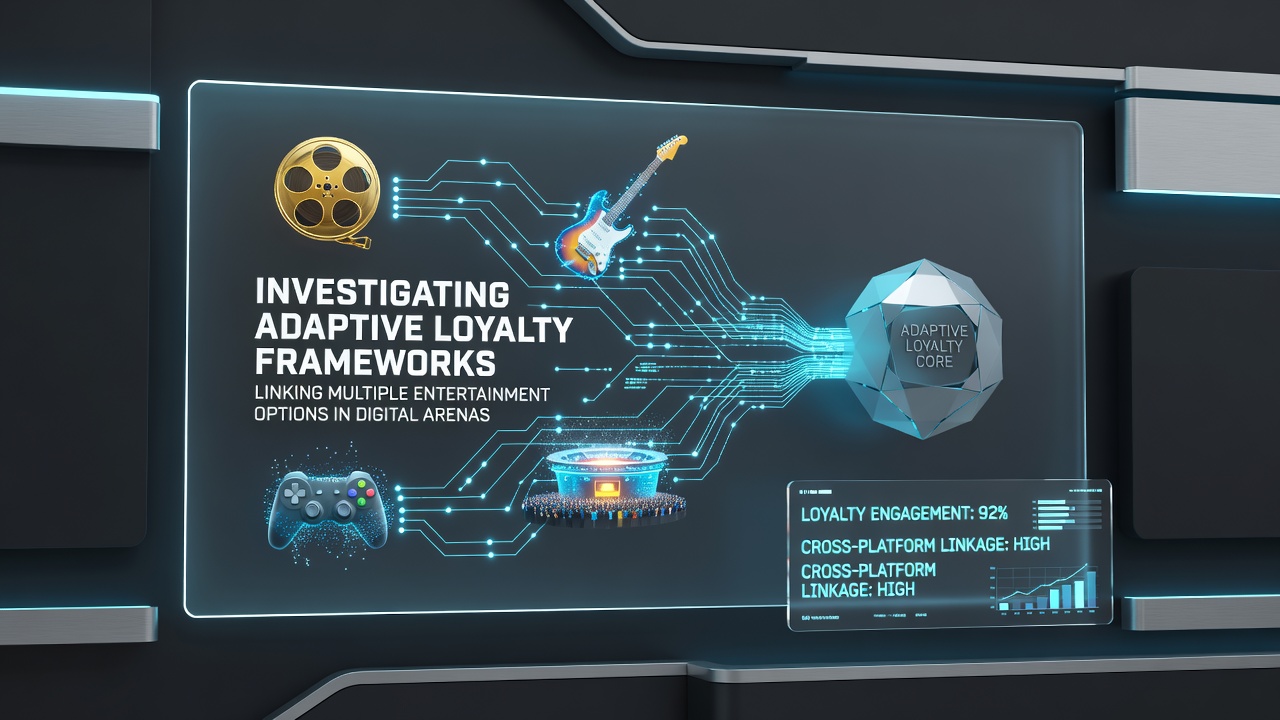
Investigating Adaptive Loyalty Frameworks Linking Multiple Entertainment Options in Digital Arenas
Digital entertainment platforms have developed adaptive loyalty frameworks that connect various gaming formats including slot mechanics, live dealer sessions, and sports prediction markets into unified reward structures. These systems track user activity across multiple interfaces while adjusting point accumulation and redemption options based on individual patterns, and operators implement them to maintain engagement throughout diverse entertainment choices available on mobile and desktop devices.
Core Mechanisms of Integration
Frameworks operate through centralized data platforms that log participation in chance-based games alongside interactive host sessions and athletic betting exchanges, then apply algorithms to modify reward tiers dynamically. Users earn points from reel spins that convert into credits for table simulations or event wagers, and this linkage relies on real-time analytics engines processing behavioral signals to personalize offers without requiring separate accounts for each format. Researchers at academic institutions have documented how such synchronization reduces friction during transitions between entertainment types.
Platforms employ machine learning models to predict preferred activities and allocate bonuses accordingly, which allows a player focused on live dealer interactions to receive tailored incentives that also apply to sports markets. Data indicates these models draw from aggregated session histories rather than isolated game metrics, creating profiles that evolve with continued use across regions operating under different licensing regimes.
Regional Adaptations and Policy Influences
Jurisdictions in North America and Europe apply varying rules that shape how loyalty mechanisms bridge different entertainment verticals, with some markets requiring separate tracking for sports betting versus chance games while others permit full integration under single operator licenses. In June 2026 observers noted expanded testing of these frameworks in select Canadian provinces where regulatory updates facilitated smoother data sharing between slot providers and sportsbook operators. Figures from industry reports reveal increased adoption rates in areas where policy adaptations emphasized consumer protection alongside commercial flexibility.
Australian regulatory bodies have examined similar structures through oversight of multi-format operators, and one study from the University of Sydney's gambling research unit highlighted how adaptive systems adjust reward values based on local taxation requirements. This approach ensures compliance while maintaining user access to linked benefits across entertainment options.
Data Analytics Driving Personalization
Analytics tools process large volumes of transaction and engagement data to refine loyalty parameters, enabling operators to link progressive features from reels with simulated table outcomes and regional betting exchanges. Those who have studied these implementations note that predictive models identify cross-format preferences, such as users who alternate between live streams and event wagers, then generate adaptive offers that encourage continued participation.

Implementation often involves API connections between game servers and central loyalty databases, which facilitate instant point transfers and redemption across platforms. According to the European Gaming and Betting Association, such technical integrations have expanded in markets where operators manage diverse portfolios, allowing seamless movement between entertainment categories without resetting reward progress.
Technical and Operational Considerations
Developers address challenges related to latency during cross-format transitions by optimizing database queries and employing edge computing solutions near user locations. This setup supports fluid experiences when shifting from mobile slot sessions to live dealer interfaces or sports dashboards, and operators report that robust backend architecture proves essential for maintaining accurate loyalty tracking at scale.
Security protocols encrypt user profiles and transaction logs to protect against unauthorized access while frameworks handle sensitive data across linked entertainment options. Industry organizations emphasize regular audits of these systems to verify compliance with data protection standards in multiple jurisdictions.
Future Trajectories in Digital Arenas
Emerging trends point toward greater incorporation of artificial intelligence for real-time framework adjustments that respond to market conditions and user feedback loops. Platforms continue exploring ways to incorporate virtual and augmented elements into loyalty calculations, potentially extending linkages to new entertainment formats beyond current slot, table, and sports offerings.
Conclusion
Adaptive loyalty frameworks represent an established approach for connecting multiple entertainment options within digital arenas through data-driven integration and regional policy alignment. Continued examination of their technical foundations and operational impacts provides insights into evolving practices across global markets, with developments observed through June 2026 underscoring ongoing refinements in how operators manage unified reward systems.