Licensing Nuances in Lesser-Known Territories Driving Seamless Merges Between Chance-Based Systems, Interactive Dealer Setups, and Event-Based Betting Networks
Written by Yara Richter · Aug 17, 2026
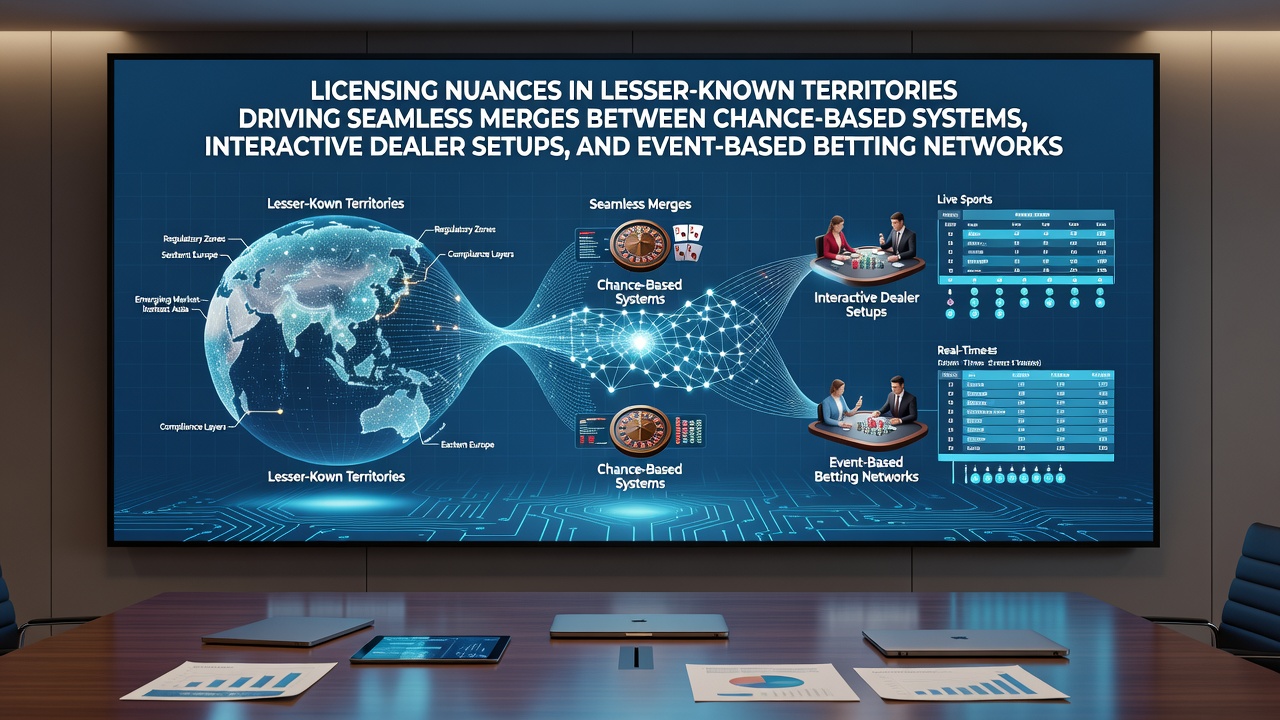
Licensing Nuances in Lesser-Known Territories Driving Seamless Merges Between Chance-Based Systems, Interactive Dealer Setups, and Event-Based Betting Networks
Data from regulatory filings across multiple jurisdictions shows that licensing frameworks in smaller territories often permit operators to combine chance-based reel systems with live dealer interfaces and event-driven betting exchanges under single operational licenses, and this approach has accelerated platform unification since early 2025.
Regulatory Structures in Emerging Markets
Observers note that territories such as certain Caribbean licensing zones and select African regulatory bodies issue permits that explicitly allow cross-format integration, whereas larger markets frequently maintain separate approvals for each vertical. Figures released in mid-2026 indicate that these unified licenses reduce administrative overhead by up to 40 percent for operators managing multiple product types simultaneously.
Experts tracking policy changes point out that lesser-known regulators frequently update technical standards on a rolling basis rather than through lengthy legislative cycles, and this flexibility supports real-time data sharing between slot servers, dealer stream providers, and sportsbook engines. One documented case involves a license issued in 2024 that required API interoperability clauses, enabling players to move funds across formats without additional verification steps.
Technical Integration Enabled by Flexible Licensing
Platform developers report that licenses from these territories commonly mandate standardized data protocols, and such requirements facilitate the connection of progressive jackpot pools with live table results and live sports odds feeds. Research compiled by industry analysts shows that operators holding multi-format permits in these regions achieve higher session continuity rates because users encounter fewer friction points during format switches.
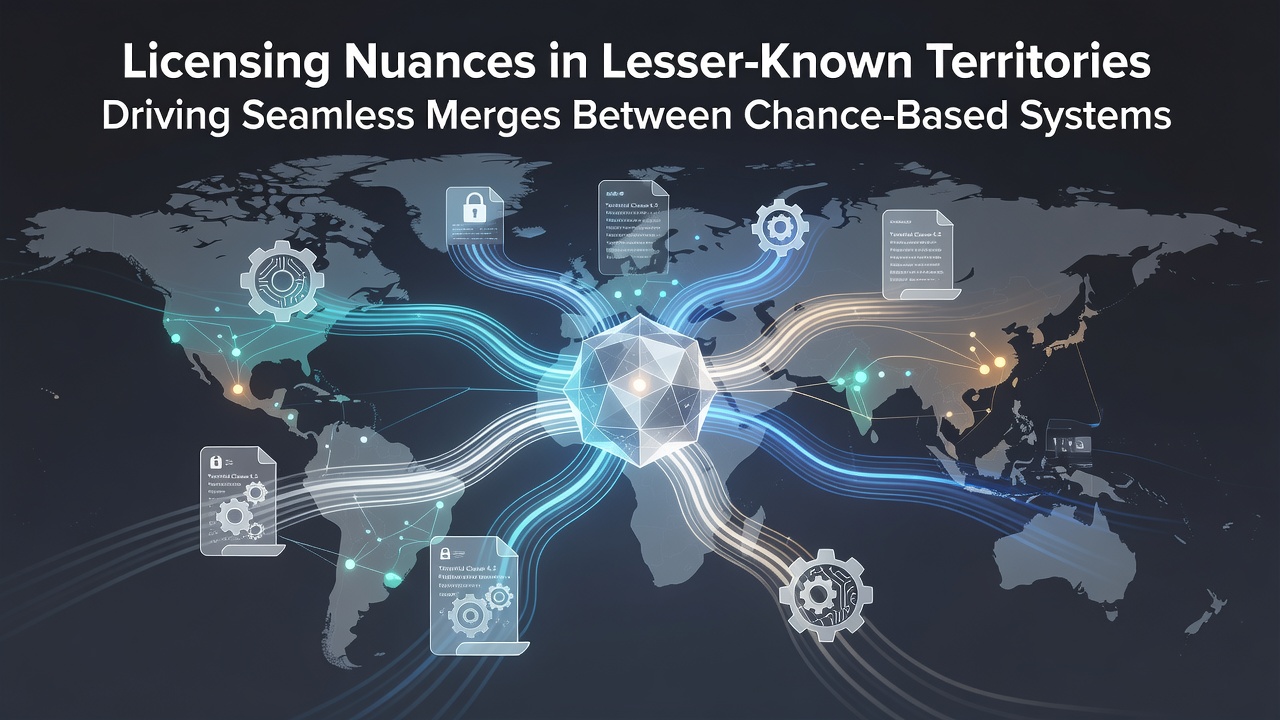
August 2026 marks the scheduled rollout of updated compliance modules in several smaller jurisdictions, and these modules require operators to demonstrate end-to-end transaction logging that spans all three system types. Compliance records indicate that platforms meeting these criteria can process combined bets where a slot outcome directly influences live dealer side wagers or sports event predictions within the same account balance.
Case Examples from Specific Regions
Take one regulatory environment in Southeast Asia where authorities revised licensing terms in late 2025 to include event-based betting alongside traditional chance mechanics, and operators there now route player activity through a single risk engine. Data published by regional gaming associations reveals that average daily active users on integrated platforms rose 28 percent within six months of the policy adjustment.
Another example appears in certain island nations where live dealer studios operate under the same oversight as remote sportsbooks, and this arrangement allows synchronized bonus triggers across formats. Industry reports document instances where a player completing a reel bonus round receives credits usable immediately at a dealer table or on an upcoming match, all under one license umbrella.
Challenges and Compliance Patterns
Yet compliance teams still navigate varying tax structures and player protection rules even when technical merges succeed, and these differences require careful segmentation of user data by territory. Studies conducted by academic research groups focused on gaming economics highlight that operators must maintain separate audit trails for each licensing authority despite shared backend infrastructure.
What's interesting is how some lesser-known regulators have begun accepting third-party certification for integrated systems, and this practice shortens approval timelines for new feature releases that span slots, tables, and betting markets. Records from 2026 show average certification periods dropping from nine months to four in jurisdictions adopting this model.
Future Outlook for Cross-Format Operations
Current licensing trends suggest continued expansion of unified permits in additional smaller markets, and operators continue to align their development roadmaps with these evolving requirements. According to a report from Ireland's Office of the Regulator of the Gambling Control, similar interoperability standards are under consideration in several emerging jurisdictions outside Europe.
Additional analysis from the University of Nevada gaming research center indicates that territories with flexible licensing frameworks record faster adoption of combined RNG and live-stream features when compared with more segmented regulatory environments.
Conclusion
Overall patterns demonstrate that licensing variations in lesser-known territories continue to shape how chance-based systems, interactive dealer setups, and event-based betting networks connect at the technical and operational levels. Regulatory updates scheduled through the remainder of 2026 and beyond will likely extend these integration capabilities to additional markets while maintaining compliance with local fiscal and consumer safeguards.