Mapping Interlinked Transaction Pathways That Strengthen Tiered Loyalty Structures Across Portable Reel and Dealer Formats
Written by Yara Richter · Aug 12, 2026
Mapping Interlinked Transaction Pathways That Strengthen Tiered Loyalty Structures Across Portable Reel and Dealer Formats
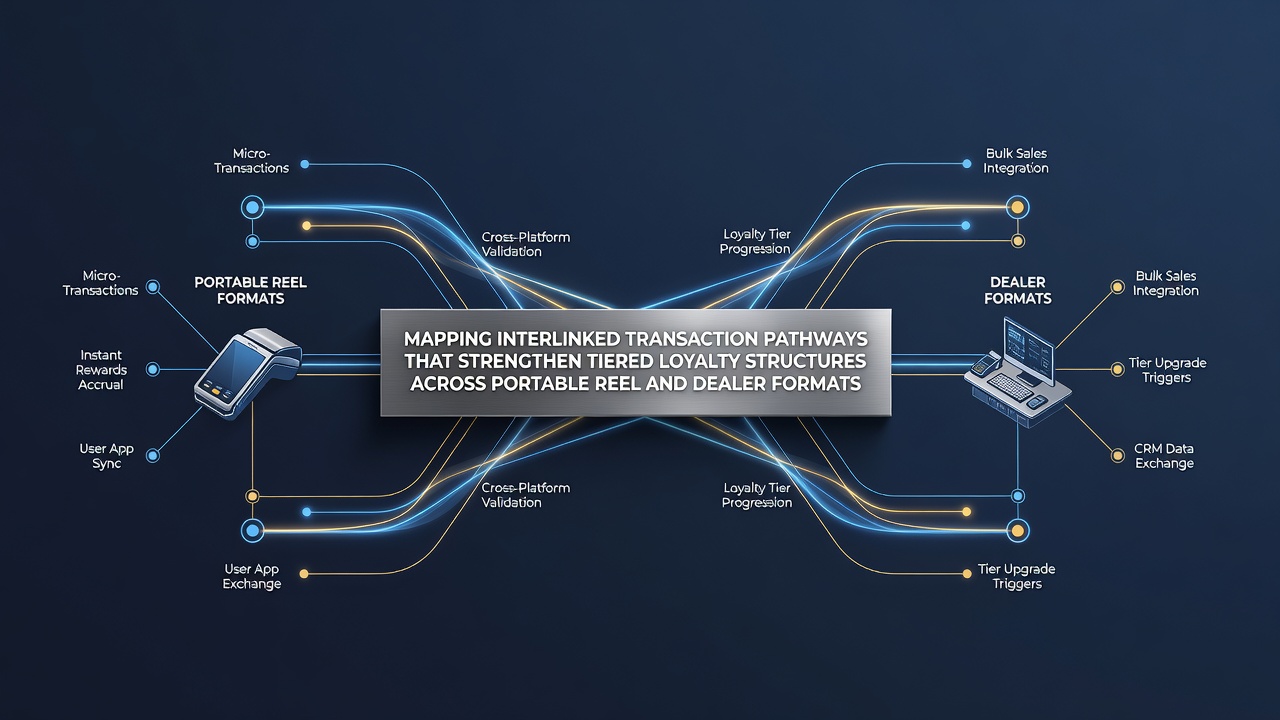
Data from industry reports indicates that transaction pathways now connect mobile slot reels and live dealer sessions through unified payment rails, and these connections support tiered loyalty programs that track player activity across both formats. Operators map these pathways by logging deposits, wagers, and redemptions in real time so that points accumulate without format-specific silos. Portable reel games and dealer interfaces share backend ledgers that update loyalty balances the moment a transaction clears, which means a player moving from a slot session on a smartphone to a live table stream sees their tier status reflected instantly. Regulatory filings show that this integration relies on secure APIs and tokenized payment methods that reduce latency while maintaining audit trails required by licensing authorities.Core Components of Interlinked Pathways
Transaction mapping begins with deposit verification that routes funds into a central wallet accessible by both reel and dealer modules. Once the wallet balance updates, the system triggers point accrual rules that differ by tier level, and these rules apply uniformly whether the activity occurs on reels or at dealer tables. Observers note that mid-tier players often receive accelerated multipliers on combined reel and dealer volume, which encourages cross-format participation without separate enrollment steps.
Payment processors handle the handoff between formats by embedding metadata tags that identify the source game type and the destination loyalty ledger. This tagging allows platforms to generate unified statements that list reel spins alongside dealer table sessions in a single view. Research from academic centers focused on gaming technology has documented how such metadata systems cut reconciliation errors by over 30 percent compared with legacy separate ledgers.
Tier Progression Through Cross-Format Activity
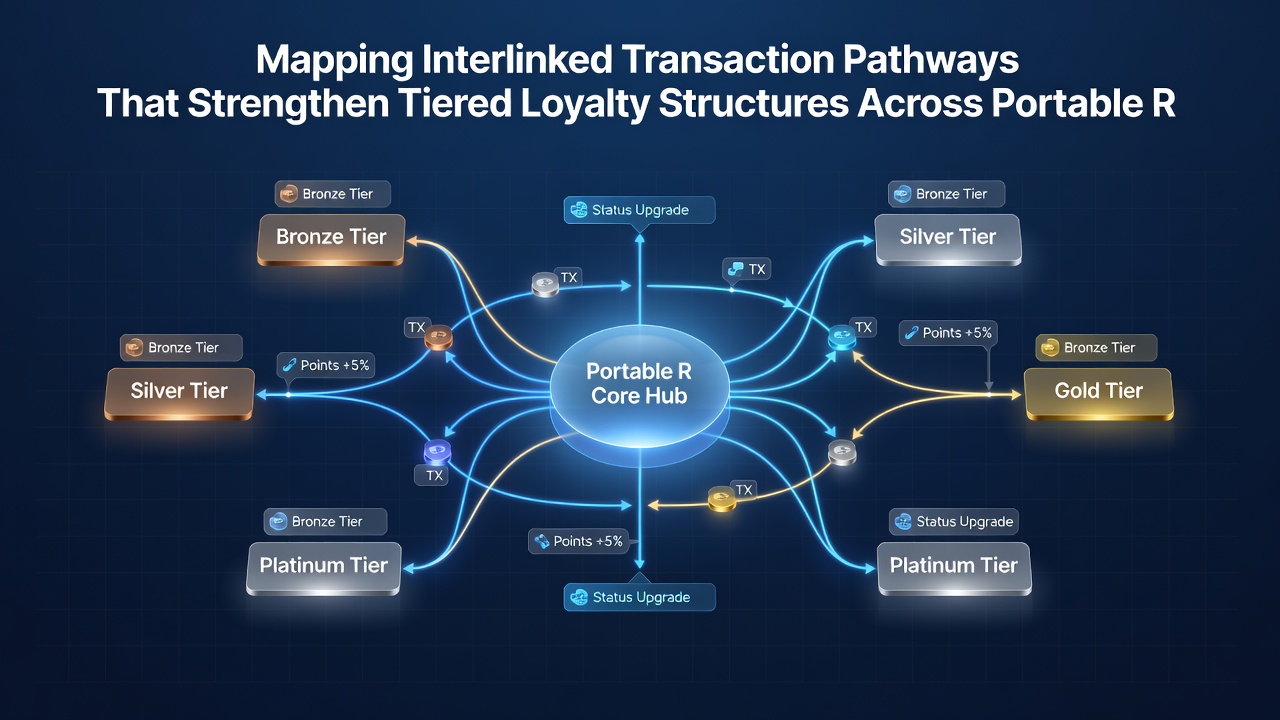
Tier advancement depends on cumulative transaction volume rather than isolated game metrics, so a player who alternates between portable reels and dealer streams reaches higher tiers faster than one confined to a single format. Data indicates that operators adjust tier thresholds quarterly, and August 2026 updates in several North American markets introduced bonus point windows tied to regional sporting events that spill over into both reel and dealer environments.
Those who study loyalty mechanics report that silver, gold, and platinum tiers now include format-agnostic perks such as fee-free withdrawals and priority dealer table seating. The pathways supporting these perks route verification requests through the same authentication layer, which reduces redundant identity checks and speeds up reward delivery. Figures from state gaming commissions reveal that platforms employing unified pathways report higher retention rates among players who engage with multiple formats.
Technical Infrastructure Supporting the Mapping
Backend reconciliation engines poll transaction logs every few seconds and apply loyalty algorithms that weigh activity across reel and dealer channels. These engines interface with external banking networks through standardized protocols, and the resulting data streams feed directly into tier management dashboards used by operators. Industry associations such as the American Gaming Association have published guidelines that recommend encryption standards for these streams to protect player financial details during cross-format transfers.
Portable devices transmit transaction requests over encrypted channels that terminate at cloud-based ledgers shared by reel and dealer platforms. When a player initiates a withdrawal after completing a dealer session, the system checks the same loyalty tier database that tracked earlier reel activity, ensuring consistent application of cash-out limits and fee structures. Canadian provincial regulators have required similar ledger unification in recent licensing rounds, and compliance reports show measurable reductions in dispute volumes.
Regulatory and Compliance Considerations
Licensing bodies in multiple jurisdictions now examine transaction pathway documentation during renewal audits, and operators must demonstrate that loyalty point calculations remain identical whether activity occurs on reels or at dealer tables. This requirement stems from consumer protection rules that prohibit hidden advantages tied to specific game types. Reports from the Malta Gaming Authority and comparable oversight entities in Australia emphasize the need for transparent mapping so that players understand how their activity contributes to tier status.
Transaction monitoring tools flag unusual patterns that might indicate attempts to game tier systems through format switching, and these tools operate in parallel with anti-money laundering checks. Data shared through industry forums indicates that platforms with robust pathway mapping encounter fewer compliance incidents because every point accrual carries a clear audit trail back to the originating transaction.
Conclusion
Interlinked transaction pathways continue to reshape how operators construct and maintain tiered loyalty structures for portable reel and dealer formats. Unified wallets, metadata tagging, and real-time reconciliation engines form the technical foundation that allows tier progression to reflect total activity rather than isolated play. Regulatory frameworks in North America, Europe, and the Asia-Pacific region increasingly require documentation of these pathways to ensure fairness and transparency. As August 2026 approaches, further refinements in payment infrastructure are expected to tighten the connection between reel spins, dealer sessions, and loyalty rewards without introducing separate tracking systems.