Navigating Data Sovereignty Rules That Link Player Profiles Across Chance Games, Hosted Tables, and Sports Markets in Multi-Jurisdictional Settings
Written by Mia Perry · Jul 31, 2026
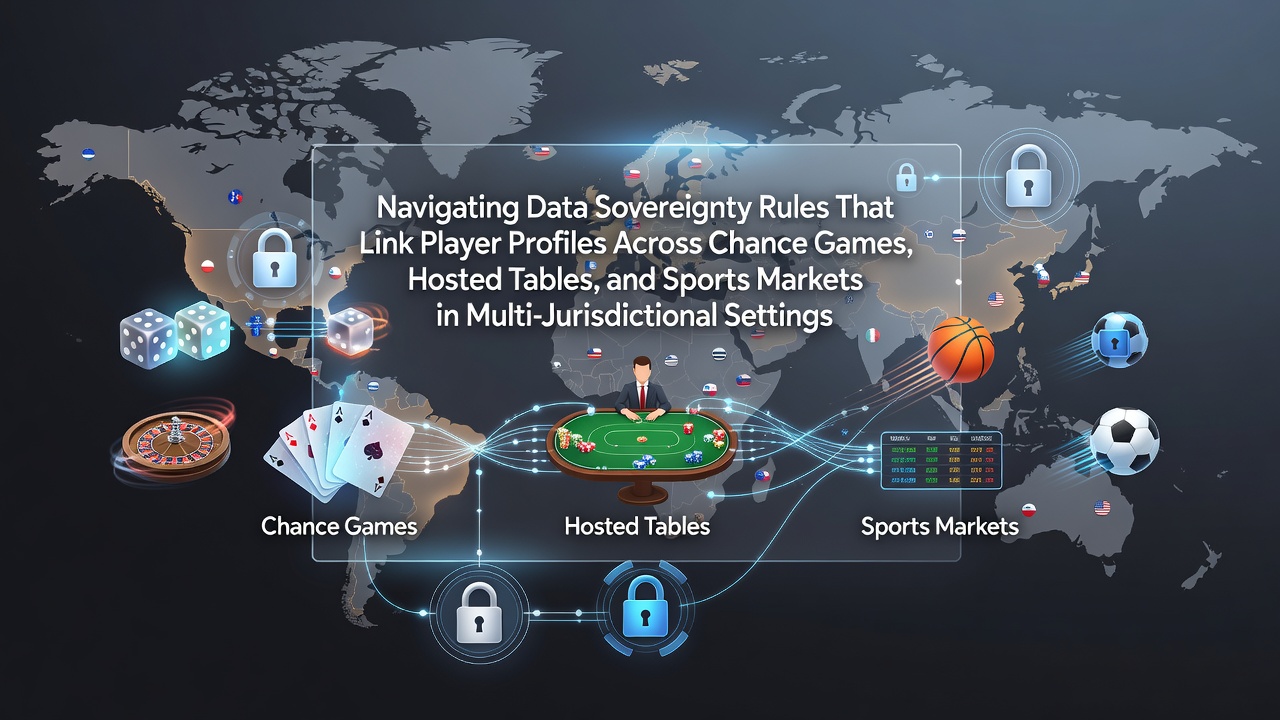
Navigating Data Sovereignty Rules That Link Player Profiles Across Chance Games, Hosted Tables, and Sports Markets in Multi-Jurisdictional Settings
Data sovereignty rules shape how operators manage player profiles when chance games, hosted table sessions, and sports markets operate across borders, and regulators in multiple regions enforce strict controls on data location, access, and transfer. These frameworks require operators to store certain data within national boundaries while still allowing unified profiles that track activity from reel-based games through live dealer interactions to event-based wagers.
Core Principles of Data Sovereignty in Gaming Contexts
Countries apply data sovereignty through legislation that mandates local storage and restricts cross-border transfers unless specific conditions exist, and gaming platforms must align these requirements with profile systems that link player behavior across game types. Observers note that European Union rules under the General Data Protection Regulation set baseline standards for consent and data minimization, while Canadian provisions under the Personal Information Protection and Electronic Documents Act add requirements for accountability when operators move records between provinces and international servers.
Operators face obligations to segment data flows so that personal identifiers used in slot systems remain compatible with those in table game environments and sports platforms without violating localization mandates. In July 2026, several jurisdictions updated guidance on real-time data synchronization, requiring explicit audit trails for every profile update that spans multiple game categories.
Integration Challenges Across Game Formats
Chance games generate high-volume transaction data that feeds into central profiles, yet hosted table sessions introduce additional layers of biometric or session-based identifiers that must comply with sovereignty rules in each operating region. Sports markets add further complexity because they often pull from external data feeds that cross borders independently of the gaming operator's own servers.
Research indicates that profile linkage systems rely on tokenization techniques to mask direct identifiers during transfers, allowing operators to maintain continuity for players who move between game types without storing full records in prohibited locations. Those who've studied these systems find that failure to segment data correctly can trigger enforcement actions when regulators detect unauthorized transfers during routine compliance reviews.

Regional Regulatory Variations and Their Impact
Australian privacy principles require organizations to take reasonable steps to protect personal information when it leaves the country, and gaming operators must demonstrate equivalent protection levels before linking profiles across chance games and sports markets. In contrast, several U.S. state frameworks impose their own localization rules that interact with federal expectations around financial data tied to wagering activity.
According to the Office of the Privacy Commissioner of Canada, organizations handling cross-border data must conduct assessments that evaluate risks before any profile synchronization occurs. Similar evaluations appear in Australian oversight documents from the Office of the Australian Information Commissioner, which stress ongoing monitoring when data supports multiple gaming verticals.
Technical Approaches to Compliance
Operators deploy edge computing nodes within each jurisdiction to keep raw data local while permitting aggregated insights to flow into unified dashboards that cover slot play, table sessions, and sports wagers. These architectures support real-time updates without moving identifiable records across borders unless explicit consent and contractual safeguards exist.
Studies from regulatory technology providers show that API gateways equipped with jurisdiction-aware routing rules reduce violations by routing requests to the appropriate data residency zone before profile elements merge. People who implement these controls report fewer interruptions when players switch between game categories in multi-jurisdictional environments.
Future Developments and Enforcement Trends
Regulators continue to refine how sovereignty rules apply to emerging game formats that blend elements of chance games with interactive table features and predictive sports markets. Enforcement actions in 2026 have focused on cases where operators failed to document data residency for every profile component, resulting in temporary suspension of cross-border linkage features.
Conclusion
Effective navigation of data sovereignty rules demands coordinated technical, legal, and operational strategies that keep player profiles functional across chance games, hosted tables, and sports markets without breaching national data controls. Continued updates from regulatory bodies in Canada, Australia, and other regions will shape the next phase of compliant profile integration as operators expand into new jurisdictions.