Navigating Licensing Shifts Across Emerging Territories and Their Effects on Syncing Automated Reel Progressions with Host-Led Simulations Plus Localized Event Prediction Tools in Handheld Formats
Written by Cameron Otto · Aug 3, 2026
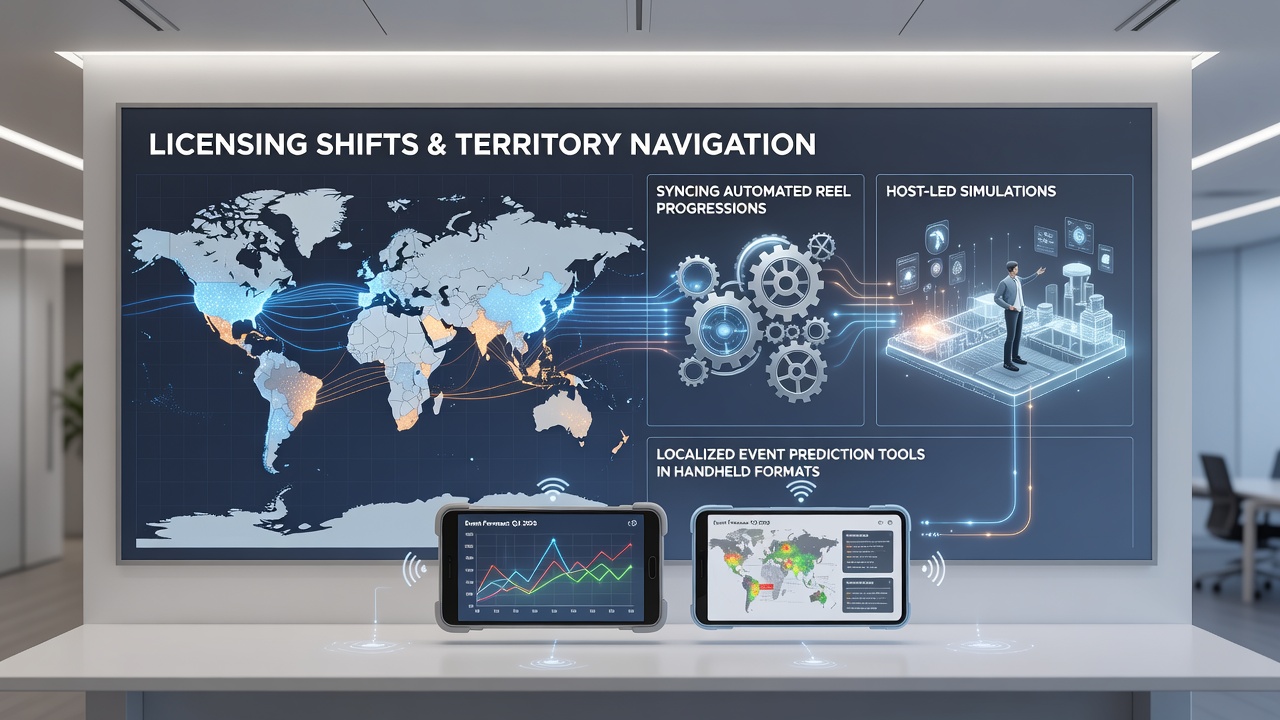
Navigating Licensing Shifts Across Emerging Territories and Their Effects on Syncing Automated Reel Progressions with Host-Led Simulations Plus Localized Event Prediction Tools in Handheld Formats
Emerging territories continue to revise their licensing frameworks for digital gambling platforms, which in turn influences how operators align automated reel progressions with host-led simulations and localized event prediction tools on handheld devices, and data from regulatory filings shows these adjustments often require technical modifications to maintain compliance across borders.
Recent Licensing Developments in Key Regions
Countries across Southeast Asia and Latin America introduced updated licensing criteria throughout 2025 and into 2026, with several jurisdictions requiring separate approvals for different game categories while others consolidated requirements under unified digital licenses, and this variation forces developers to adjust integration protocols for reel mechanics, dealer interfaces, and prediction algorithms on mobile applications. Observers note that operators must now map each territory's rules against the specific data flows that connect slot progressions to live simulations and regional betting forecasts, whereas earlier frameworks allowed more uniform deployment across markets.
Technical Synchronization Challenges
Automated reel progressions rely on real-time data feeds that must remain isolated from certain live elements under some new licenses, yet these same feeds often feed into host-led simulations to create seamless transitions for users on handheld formats, and localized event prediction tools add another layer because they incorporate territory-specific sports or event data that regulators may classify differently from chance-based mechanics. Research indicates that synchronization failures occur most frequently when a jurisdiction imposes strict data segregation rules, prompting companies to deploy modular APIs that activate or deactivate features based on user location and license type.
Impact on Reel and Simulation Integration
Studies from industry technical working groups reveal that reel progression engines now incorporate conditional logic to pause or reroute jackpot contributions when a host-led simulation session begins, particularly in territories where progressive systems fall under distinct licensing categories from interactive dealer streams, and this approach allows operators to maintain compliance while delivering continuous play on mobile devices. Developers have responded by building version controls that update automatically when regulatory bodies release new technical standards, which happened in multiple markets ahead of August 2026 enforcement dates.

Role of Localized Event Prediction Tools
Event prediction tools that draw on regional athletic calendars or market-specific outcomes must interface with both reel and simulation systems without triggering cross-category licensing violations, and regulators in several emerging territories now require explicit separation of prediction data sources from core gambling mechanics. According to reports published by the Nevada Gaming Control Board, similar segmentation requirements have existed in established markets for years, yet newer jurisdictions often apply them more strictly to mobile platforms where all features coexist on a single screen.
Operator Adaptation Strategies
Companies operating across multiple territories have adopted geo-fenced configuration systems that detect device location and apply the corresponding license rules before loading any game session, which reduces the risk of non-compliant feature combinations while preserving user experience on handheld formats, and these systems frequently receive updates following policy announcements from bodies such as the Gambling Regulatory Authority of Mauritius. Technical teams report that testing cycles now extend longer because each new license variation demands separate validation of reel-to-simulation handoffs and prediction tool accuracy under localized conditions.
August 2026 Implementation Effects
Several territories scheduled full enforcement of revised licensing terms for August 2026, requiring operators to demonstrate full synchronization controls before renewing mobile platform approvals, and preliminary compliance filings indicate that most major providers completed backend adjustments several months in advance to avoid service interruptions. Those adjustments typically include updated logging mechanisms that record every feature activation tied to reel progressions, host-led simulations, or event predictions, allowing regulators to audit integration paths in real time.
Conclusion
Licensing shifts in emerging territories continue to reshape the technical requirements for syncing automated reel progressions with host-led simulations and localized event prediction tools in handheld formats, and operators that maintain flexible architectures appear better positioned to adapt as additional jurisdictions finalize their frameworks in the coming years. Data collected through 2026 shows measurable increases in development time allocated to compliance mapping, yet the core functionality of combined mobile gaming experiences remains intact across compliant deployments.