Regional Licensing Impacts on Unified Player Profiles Merging Automated Reel Features, Live Streamed Competitions, and Athletic Wagering in Mobile Ecosystems
Written by Cameron Otto · Jul 10, 2026
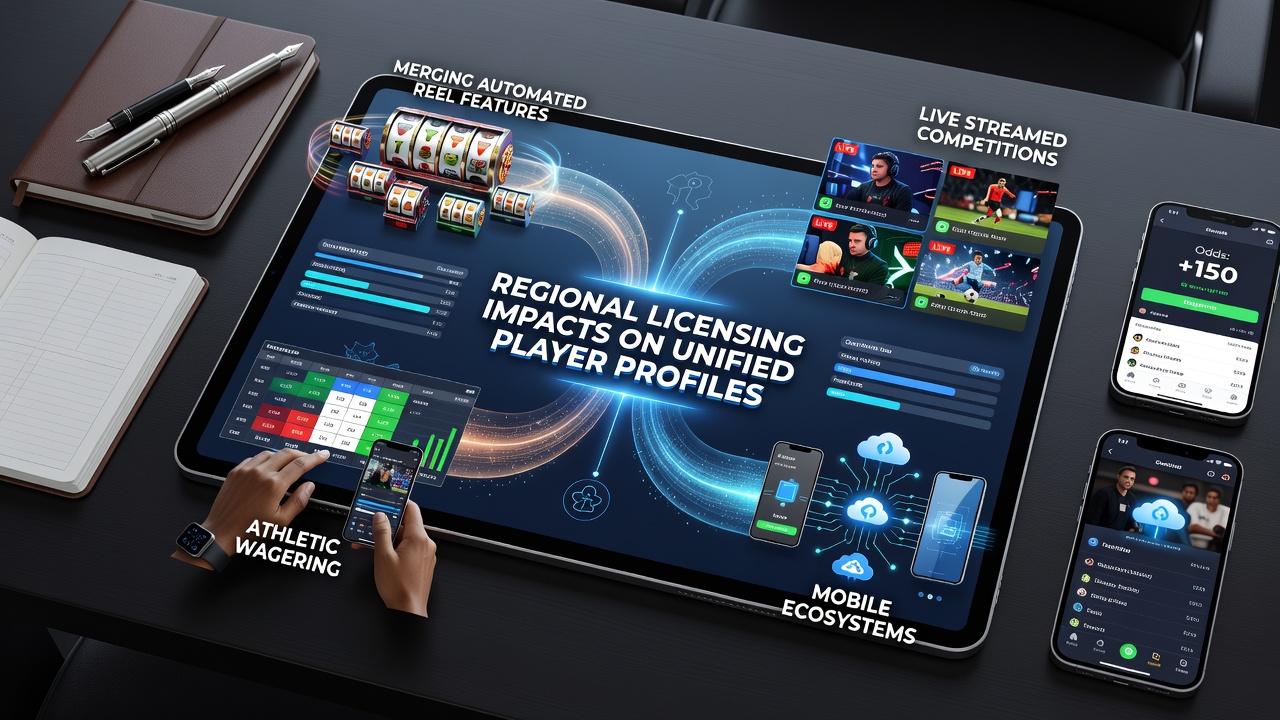
Regional Licensing Impacts on Unified Player Profiles Merging Automated Reel Features, Live Streamed Competitions, and Athletic Wagering in Mobile Ecosystems
Regional licensing frameworks shape how operators build unified player profiles that connect automated reel features with live streamed competitions and athletic wagering inside mobile ecosystems, and these rules determine data sharing protocols, verification standards, and cross-format reward structures in ways that vary sharply by jurisdiction.
How Licensing Shapes Profile Integration
Operators must align their backend systems with each region's specific requirements before they can merge player data across game types, which means a single account might pull real-time slot metrics, live dealer session history, and sports betting activity into one dashboard while respecting local restrictions on information flow. In markets where regulators demand separate licensing for each vertical, developers often create segmented databases that still feed into a central profile through encrypted APIs, whereas jurisdictions with unified licensing permits allow tighter integration from the start.
Data from July 2026 shows several North American and European authorities updated their technical standards for mobile platforms, requiring enhanced audit trails whenever profiles combine chance-based mechanics with interactive host sessions and event prediction markets. These updates force companies to implement modular architecture so that reel spin histories remain isolated from betting ledgers in certain zones even as the user experiences seamless navigation.
Key Regulatory Differences Across Markets
European authorities such as the Malta Gaming Authority enforce strict rules on responsible gaming tools that must apply uniformly across all formats within a unified profile, while certain U.S. state regulators focus more on transaction monitoring between reel features and sports exchanges. Canadian provinces including Ontario require real-time reporting to central systems whenever a profile links automated games with live streams, creating technical hurdles that operators address through standardized data schemas.
Observers note that these differences lead to varied rollout timelines, and companies operating in multiple regions often maintain parallel compliance teams to handle profile merging requests according to each license's terms. Research from industry reports indicates that platforms with flexible architecture adapt faster when new rules emerge around cross-vertical reward mechanisms.
Technical Challenges in Mobile Ecosystems
Mobile applications face additional constraints because device-level storage and push notification systems must respect licensing boundaries while still presenting combined views of reel progress, streamed table activity, and athletic wagers. Developers frequently use geofencing combined with license-specific toggles so that a player in one region sees integrated stats while the same profile appears segmented elsewhere.
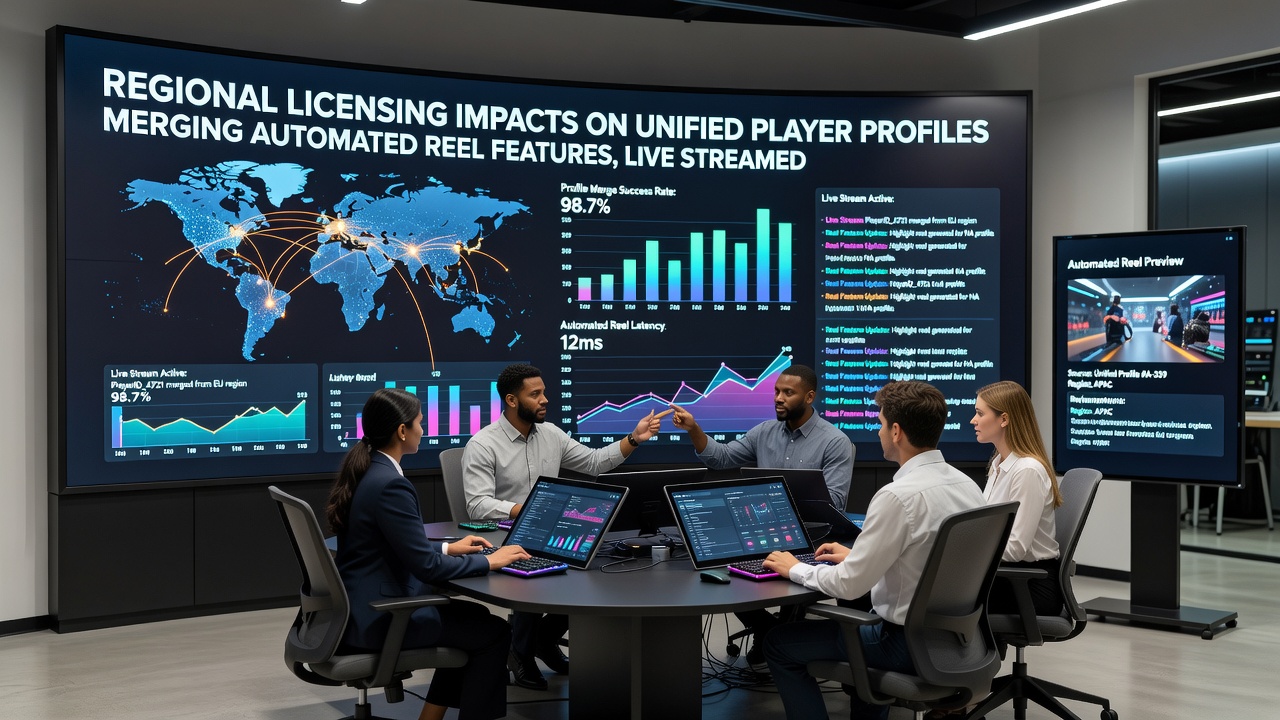
Security protocols also diverge, with some licenses mandating on-device encryption for live competition data and others requiring server-side only processing for athletic wagering records. These variations affect how quickly new reel features or streamed events can appear in a unified dashboard without triggering compliance reviews.
Examples from Different Jurisdictions
Take one operator licensed in both a U.S. state and an Australian territory that discovered their profile system needed distinct verification layers to satisfy each authority's rules on merging reel data with live and sports elements. Another case involved a European platform that adjusted its reward chains after regulators clarified how bonus eligibility must track across formats under a single license.
Figures from the American Gaming Association reveal continued investment in compliance technology that supports these regional adaptations, and similar patterns appear in reports covering Asia-Pacific markets where licensing remains fragmented. Those who've studied the sector note that successful profile integration often depends on early consultation with local regulators before full mobile deployment.
Future Outlook for Profile Merging
Regulatory bodies continue to refine standards around unified profiles, particularly as mobile usage grows and more jurisdictions introduce or update licensing for combined gaming and wagering products. Companies monitor these shifts closely because changes in one region can influence how profiles handle data from automated reels, streamed competitions, and athletic markets elsewhere.
According to data shared by iGaming Ontario, platforms that maintain adaptable compliance layers experience fewer interruptions when new technical requirements take effect. This approach allows operators to preserve the user experience of a single profile while satisfying divergent licensing conditions across borders.
Conclusion
Regional licensing continues to drive the technical and operational decisions behind unified player profiles that span reel features, live streams, and sports wagering in mobile environments. Operators balance these requirements through modular systems and ongoing regulatory engagement, which shapes how such profiles function in practice across different markets.