Tracing Connections in Digital Play: Payment Flows Supporting Seamless Transitions Among Reels, Dealer Tables, and Betting Markets
Written by Harper Keller · Jun 3, 2026

Tracing Connections in Digital Play: Payment Flows Supporting Seamless Transitions Among Reels, Dealer Tables, and Betting Markets
Payment systems in online gaming environments now function as integrated networks that link slot machines, live dealer tables, and sports betting platforms through shared transaction layers. These connections rely on real-time processing protocols that move funds across game types without requiring separate deposits or account resets. Operators deploy unified ledger technologies that record balances across reels, dealer streams, and event wagers in a single view, which reduces friction during player transitions.
Mechanics of Unified Transaction Layers
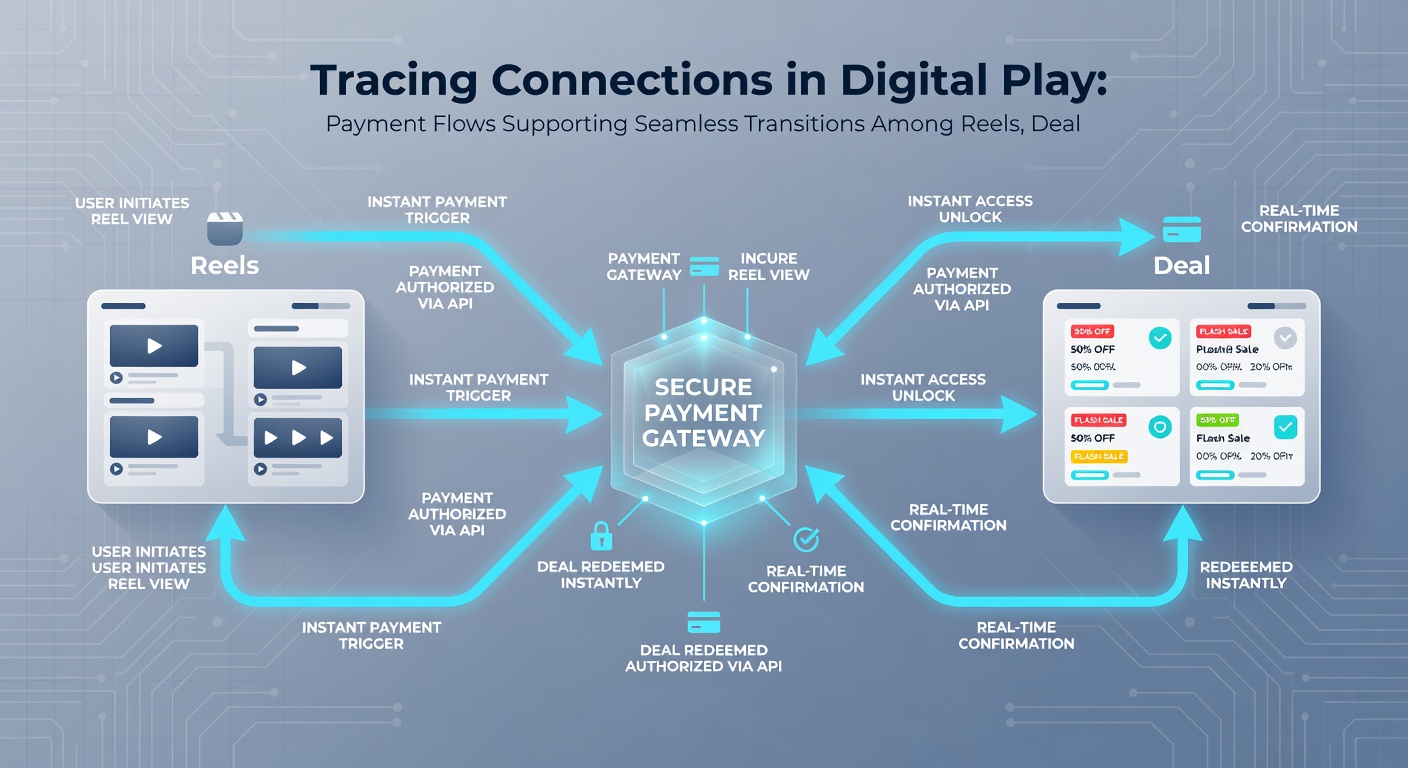
Modern platforms use application programming interfaces to synchronize payment gateways with game servers, so a withdrawal from a slots session can fund an immediate entry into a live blackjack table or a live odds market. Data from transaction logs show that these API connections handle thousands of cross-product transfers daily, with settlement times measured in seconds rather than minutes. Financial institutions partner with gaming operators to embed compliance checks directly into these flows, which verifies player limits and tax reporting before any balance shift occurs.
Wallet architectures play a central role here. A single digital wallet holds funds that players allocate across different verticals without manual intervention. When a user finishes a reels session, remaining credits transfer automatically to a dealer table lobby or a sportsbook dashboard through pre-authorized routing rules. This setup draws on blockchain-based settlement options in some jurisdictions, where distributed ledgers provide immutable records of each transfer while maintaining player privacy through encrypted identifiers.
Regional Developments and Infrastructure Growth
North American markets have expanded these capabilities through state-level regulations that permit multi-product operators to share payment rails. Figures from the American Gaming Association indicate that integrated platforms processed over 40 percent more cross-vertical transactions in the first half of 2026 compared with prior periods. Similar patterns appear in Australian regulated environments, where the Interactive Gambling Act amendments have encouraged operators to adopt standardized payment protocols that connect reels to dealer services and betting exchanges.
European operators follow comparable models under varying national frameworks. Research published by the University of Nevada's gaming studies department highlights how payment processors in multiple jurisdictions now embed geofencing and age verification into every transaction hop, which maintains regulatory compliance while supporting fluid movement between game categories. Observers note that these technical layers reduce abandoned sessions because players encounter fewer interruptions when switching activities.
Player Journey Examples in June 2026
Take one documented workflow from a multi-licensed operator active in June 2026. A player deposits through a bank transfer that lands in the central wallet. The same balance appears available for reel spins, and after a sequence of wins the system routes a portion to a live dealer roulette table through an internal transfer flag. From there, unused funds move to an in-play soccer market without additional verification steps beyond the initial session token. Transaction records show average completion times under three seconds for these hops when network conditions remain stable.
Another pathway involves sports betting winnings feeding directly into slot bonuses. Systems detect credit from a completed event wager and apply promotional multipliers automatically when the player enters a reels lobby. This automation stems from rule engines that operators configure to match jurisdictional requirements, ensuring promotional funds follow the same traceability standards as cash balances.
Security and Compliance Integration
Security protocols wrap each payment hop with multi-factor authentication tokens and behavioral analytics. These tools flag unusual transfer patterns across product lines before settlement completes. Canadian provincial frameworks, such as those managed by the Alcohol and Gaming Commission of Ontario, require operators to log every cross-product movement for audit trails that extend back five years. Academic analyses from the University of Toronto's gambling research unit confirm that such logging reduces dispute rates because players receive timestamped confirmations at each stage.
Payment providers also incorporate instant verification layers that pull data from credit bureaus and self-exclusion registries in real time. When a player attempts a transfer from reels earnings to a dealer table, the system cross-checks against active exclusion lists before authorizing the move. This prevents accidental violations while preserving the speed that users expect from seamless environments.
Technological Enablers and Future Projections
Cloud-based payment orchestration platforms serve as the backbone for these connections. They route requests through redundant servers that maintain uptime above 99.9 percent according to industry benchmarks released in early 2026. Machine learning models predict peak transfer volumes during major sporting events and adjust liquidity pools accordingly, which prevents delays when large numbers of users shift balances from dealer tables to betting markets.
Projections shared by the European Gaming and Betting Association point to continued growth in these integrated flows through the remainder of 2026 and beyond. Operators continue testing new settlement methods such as central bank digital currencies in pilot programs, which could further compress transaction times while adding another layer of traceability.
Conclusion
Payment flows now form the connective tissue that allows digital gaming platforms to treat reels, dealer tables, and betting markets as interchangeable destinations within one ecosystem. Regulatory updates, API standardization, and security enhancements support these transitions while meeting compliance demands across regions. Data collected through June 2026 shows measurable increases in cross-product activity as infrastructure matures, and ongoing technological refinements point to further tightening of these connections in subsequent periods.